
What Is Pastoral Care? A British Approach to Pupil Wellbeing
When looking at British international schools, parents come across the term Pastoral Care again and again. It is not the school clinic, nor a counselling service, nor a new name for the "homeroom teacher". So what is Pastoral Care?
Pastoral Care is a whole system of support - academic, emotional, psychological, physical and social - designed to make sure every pupil is seen, heard and cared for as an individual.
This article explains how Pastoral Care works in British schools, who is responsible for it, and why it differs from the familiar "homeroom teacher" model in Vietnam.
09 Jul 2026
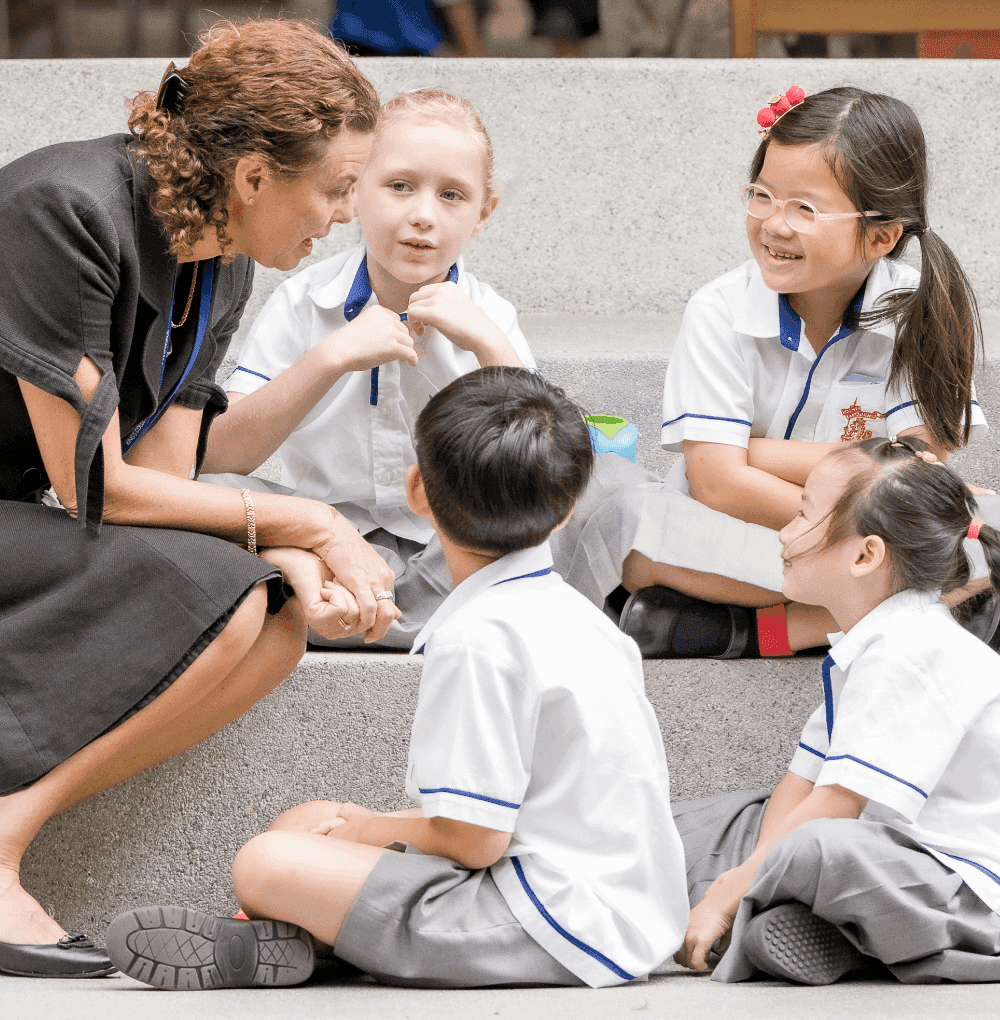
The word "pastoral" comes from the British educational tradition and originally meant "someone who cares for and protects". In a school, Pastoral Care is the system that protects and nurtures every pupil in every way - emotional wellbeing, social development, physical health and safety (safeguarding), alongside their academic work.
It is important to understand that Pastoral Care is not a single department or activity. It is the way the whole school works - from how teachers greet children each morning, to how the school responds when a pupil seems different, to how parents are kept informed and involved.
At leading British schools, the Independent Schools Inspectorate (ISI) judges Pastoral Care as a separate area, equal in weight to academic quality. A school with strong exam results but weak Pastoral Care still falls short. This shows where Pastoral Care sits in the British system: not an "add-on", but a foundation.
Pastoral Care is not a vague idea. It is a clearly structured system, with named people responsible at each level, working every day.
Personal Tutor: Each pupil's "Trusted Adult"
In the Pastoral Care system, every pupil has a personal tutor who sees them each day at the start of school, during a period called "tutor time" or "registration".
The tutor knows more than the child's results - they know whether the child is happy or low, confident or anxious, settling in well with friends or struggling.
The tutor is the first point of contact when anything comes up - from academic pressure and friendship troubles to changes at home the child does not know how to handle.
Key difference: A tutor in a British school is not a homeroom teacher in the Vietnamese sense. The tutor is not responsible for administrative duties (attendance, discipline, conduct evaluation). The tutor’s role is to accompany, develop an understanding of the child, support them, and serve as a bridge between the child, their family, and the school.
House System: Multi-age community
The House System is a distinctive British tradition: pupils belong to Houses - communities that bring together children of all ages, from the youngest to the oldest in the school.
Houses create a "second family" at school, where children belong and are known by both their peers and older pupils.
Older pupils help and mentor younger ones, developing compassion, responsibility and leadership skills.
Houses compete in good spirit in sport, the arts and academic events, building teamwork, encouragement and the ability to win and lose gracefully. Each House has a Head of House who keeps an eye on every member and works closely with the tutors.
Wellbeing Team: Expert companions
Alongside tutors and the House System, British schools have a dedicated Wellbeing team:
- School Counsellor: a specialist who supports pupils with emotional difficulties, anxiety, stress or times of change.
- School Nurse: looks after physical health and is the point of contact when a child needs medical support.
- Designated Safeguarding Lead (DSL): responsible for safety under the British "Keeping Children Safe in Education" (KCSIE) standard, making sure every child is protected from harm.
- This team works with tutors, Heads of House and families to create a layered safety net, so that no one person carries everything and the responsibility is shared.
Heads of Year: Seeing the big picture
At a higher level, Heads of Year (or Heads of Section) oversee the progress of a whole year group, spot wider trends and emerging issues, and work with tutors when a pupil needs extra support. They report directly to the Senior Leadership Team, so that Pastoral Care is monitored and improved, not just talked about.
The short answer is: one person cannot replace a system.

This does not mean Vietnamese homeroom teachers do not matter; many committed teachers do the job very well. But the roles are different in nature: a homeroom teacher is one person taking on many roles (teaching, administration, discipline, counselling), whereas Pastoral Care is a team of people, working in layers, each with their own expertise, coordinating daily and inspected by an independent body.
There is a common belief that "time spent on Pastoral Care is time taken from learning". In fact, the opposite is true.
Children who feel safe are willing to ask questions, try new things, fail and try again - the basis of critical thinking and deep learning. Children who feel cared for are motivated from within, rather than working only for grades or out of pressure. Children who trust their tutor will share difficulties early, before those difficulties affect their learning.
The results at King's College School, Wimbledon, where Pastoral Care is the school's focus, speak for themselves: ranked The world’s Top 5 school, leading independent school in the UK for many years, with "Excellent" ratings across all criteria, including Pastoral Care. The achievements of King’s are due to a strong Pastoral Care foundation, ensuring every child has the opportunity to develop, not just those who are already high achievers.
This matters most during the IGCSE and A levels stages: exam pressure increases, teenage psychology is complex, and decisions regarding university majors are approaching. Pastoral Care will always support the child throughout that journey.
Some schools talk about "Pastoral Care" as part of their identity; others turn that commitment into a daily system with named people, clear processes and real responsibilities.
King's College Wimbledon HCMC sees Pastoral Care as central to who it is. The school runs a Pastoral Care system built to the standards of King’s College School, Wimbledon - not a reduced version, but the full one: Personal Tutors, the House System and a Wellbeing team (Counsellor, Nurse, DSL).
Each child has a personal tutor who follows both their academic progress and their wellbeing, and helps them make the right choices at each stage. The UK QTS teaching staff are trained in Pastoral Care and Safeguarding to King’s standards; this is not a side duty but a core professional requirement.
King's College Wimbledon HCMC extends the educational excellence of King’s College School, Wimbledon - founded in 1829 by Royal Charter, named the UK’s leading co-educational day school (Sunday Times Parent Power 2026) and the World’s top 5 school (HSBC Hurun 2025), and rated "Excellent" by the ISI.
My child is shy; will Pastoral Care help them integrate?
This is one of the key aims of Pastoral Care. The tutor will notice it in the first days and support the child step by step - from sitting next to the right friend to joining small House activities, and gradually taking part in larger ones. The child is never pushed to "fit in at once", but is supported at their own pace, with the family kept updated by the tutor.
Can Pastoral Care replace the role of the family?
No, and it is not meant to. Pastoral Care is a bridge between school and family, not a substitute. Tutors and Heads of House stay in regular contact with parents, sharing what they see at school and listening to what happens at home. Children do best when school and family work together, share information both ways, and aim for the same goals.
How do I know if a school truly values Pastoral Care?
Parents often ask three questions: (1) Will my child have a personal tutor, and how often will they meet? (2) If my child faces emotional difficulties, who supports them, and how? (3) Does the school have a dedicated Counsellor, or does a teacher take this on as a side duty?
Is Pastoral Care only for pupils facing problems?
No - this is the most common misunderstanding. Pastoral Care is for every pupil, including those who are confident, settled and doing well. The aim is not only to "fix problems" when they appear, but to help every child grow: spotting potential, widening comfort zones, building life skills and preparing for the next stage. Pastoral Care is proactive care, not treatment.
What is Pastoral Care? It is a complete system of care in British schools: Personal Tutors meet the child every day, the House System builds a community across age groups, the Wellbeing team looks after emotional and physical health, and Heads of Year keep sight of the bigger picture - all working daily, proactively and in layers.
This is not a "nice extra". Pastoral Care is the foundation that lets everything else - academic work, sport, the arts and personal growth - function. A child cannot learn well without feeling safe, and cannot grow into a rounded person without trusted adults alongside them every day.
If you are looking at international schools for your child, ask about Pastoral Care - grades change with every exam, but the way a school cares for each child stays with them for life.
We would be glad to talk it through with your family.
Do you want to learn more about Pastoral Care at King's College Wimbledon Ho Chi Minh City?
Come visit the School Gallery to meet the academic team and talk to us about the most suitable journey for your child.
References: