Where curiosity is nurtured, passions are discovered and pupils prepare for the world beyond school.
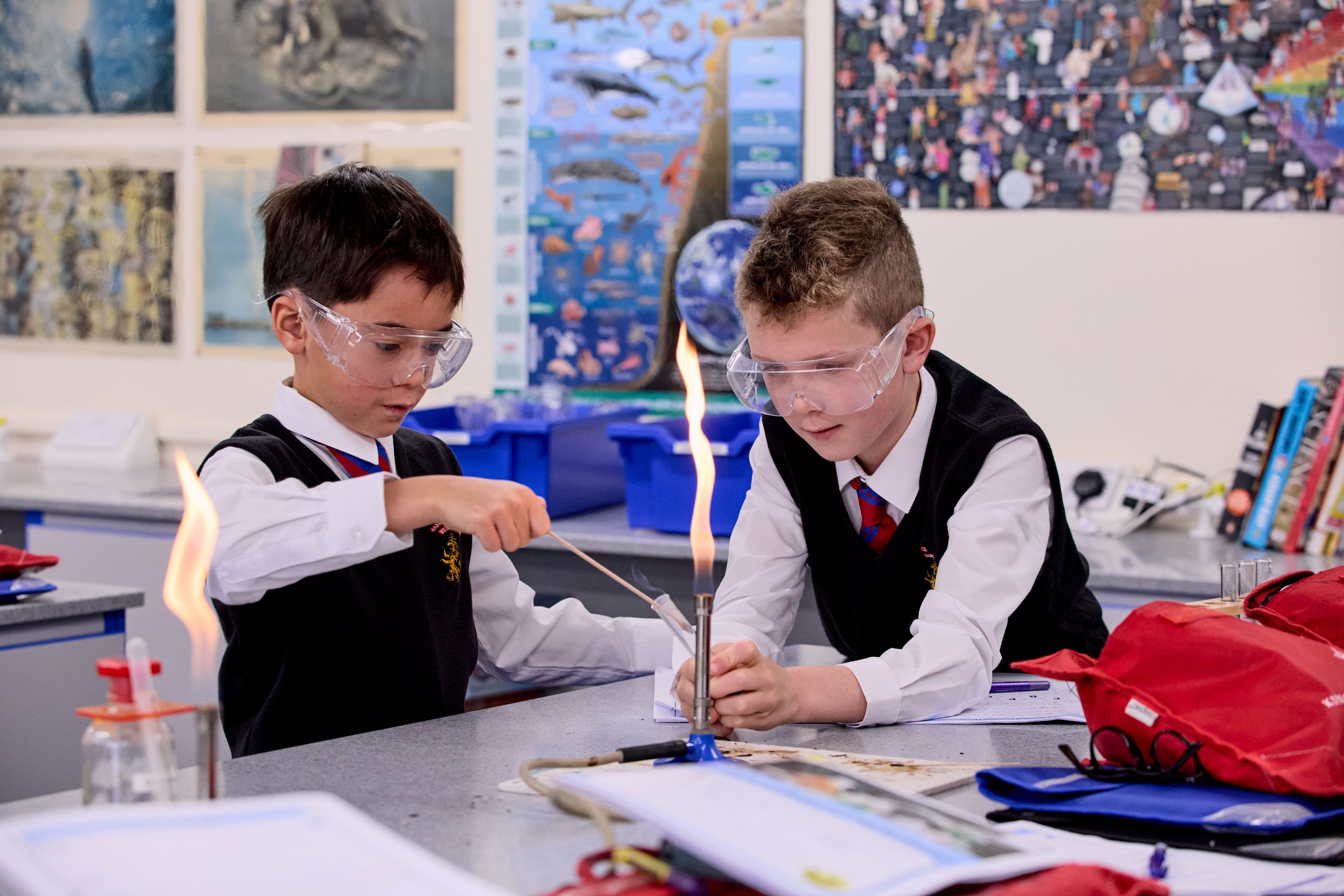
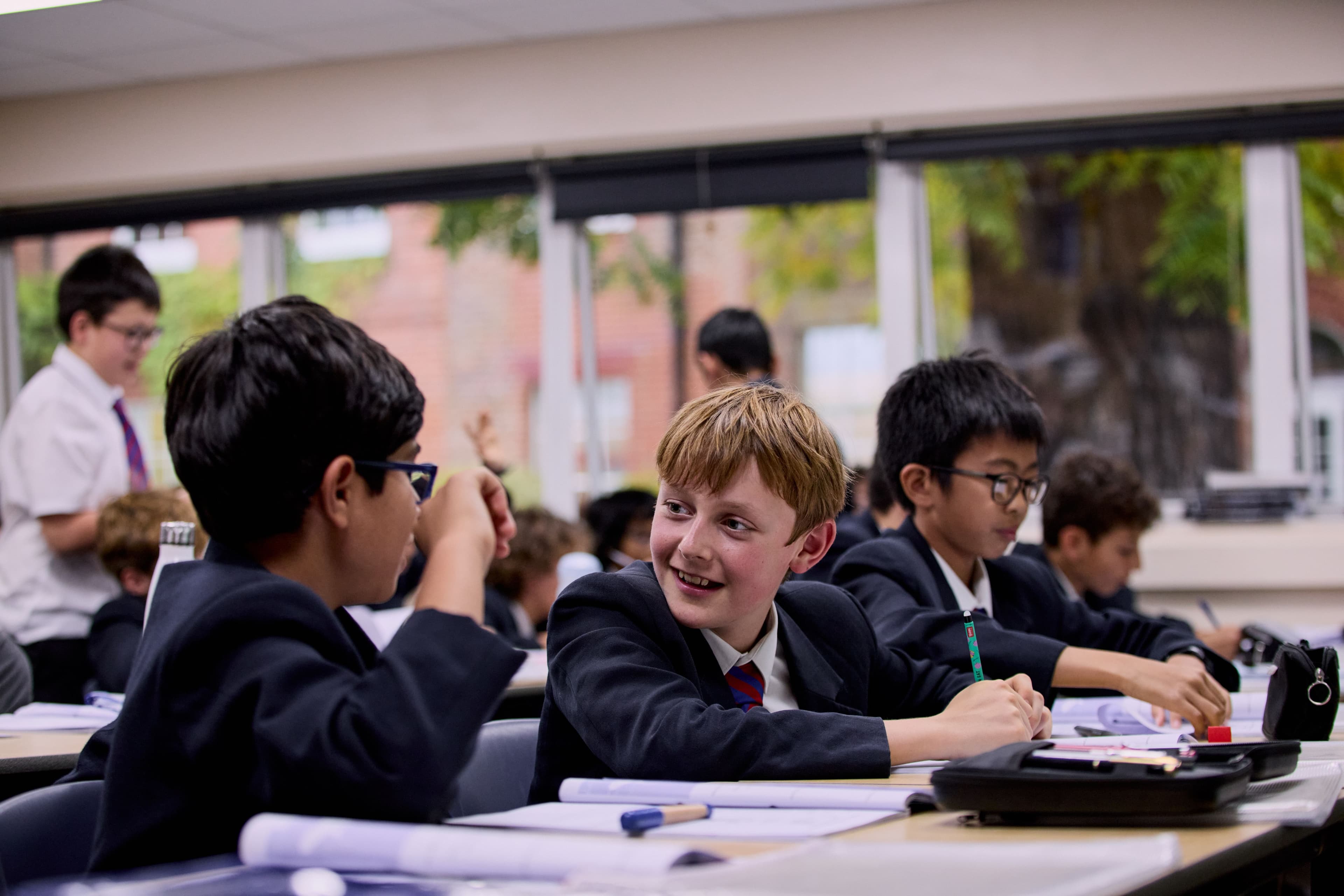
Learning at King’s College Wimbledon Ho Chi Minh City is lively, challenging and joyful. Teachers guide pupils to think deeply, ask thoughtful questions and explore ideas with independence. Each lesson reflects our commitment to high standards: pupils are encouraged to work hard, enjoy the learning journey and take pride in their progress. Our approach combines academic rigour with personalised support, drawing on nearly 200 years of King's educational heritage to bring out the best in every pupil.
Learning at King’s College Wimbledon Ho Chi Minh City is shaped by a combination of approaches that encourage pupils to think carefully, engage actively and grow in confidence. Together, these approaches develop confidence and independent pupils who approach new challenges with curiosity and composure.
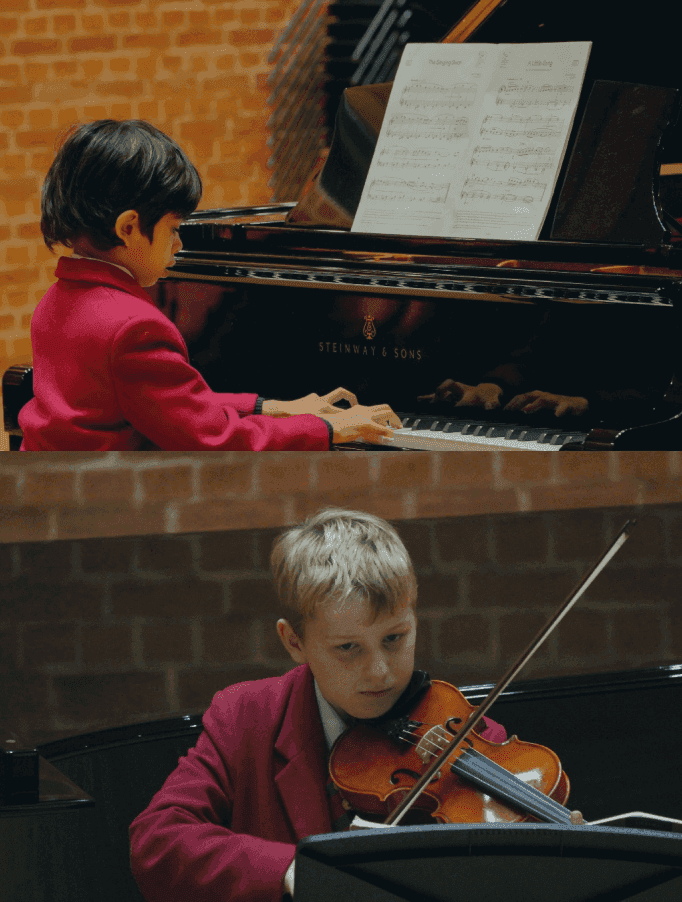
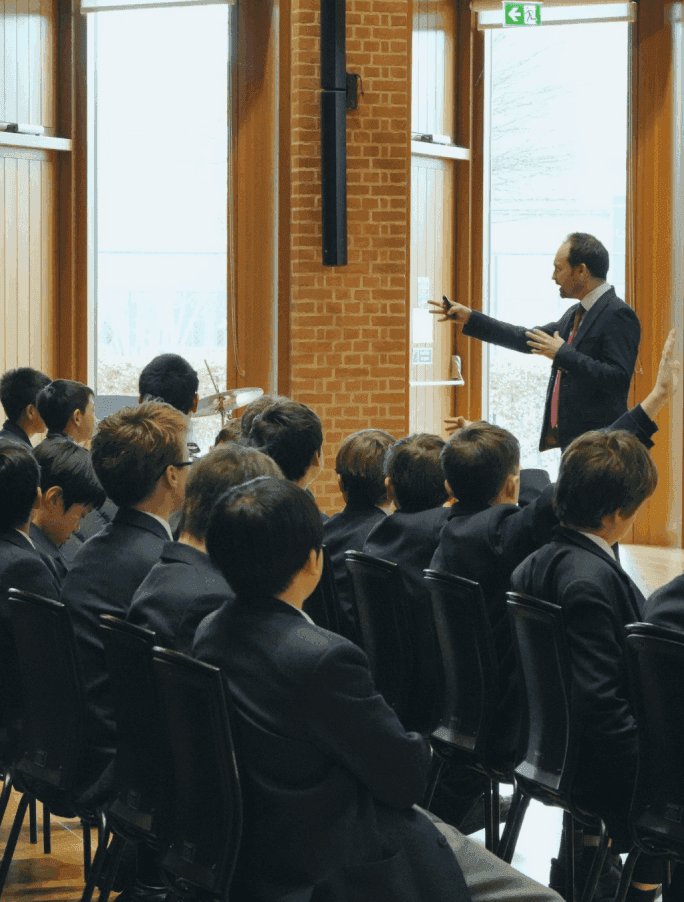
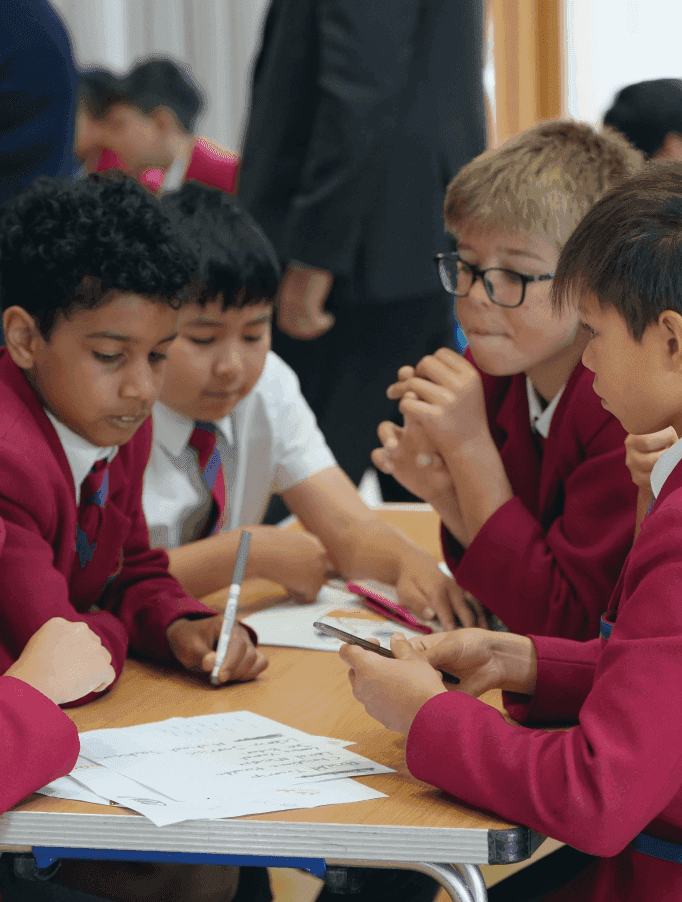
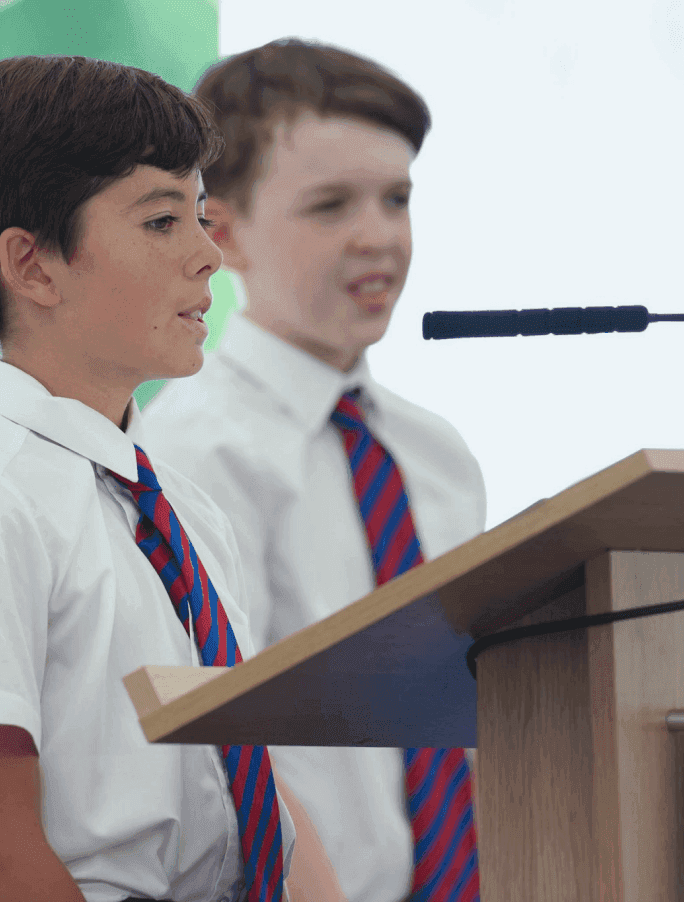
Teaching is grounded in evidence-informed practice, clear explanation, structured learning and purposeful feedback. Teachers help pupils develop sustainable habits of learning, managing pace and workload carefully so that they build the independence, discipline and resilience needed not only for academic success and the world beyond.
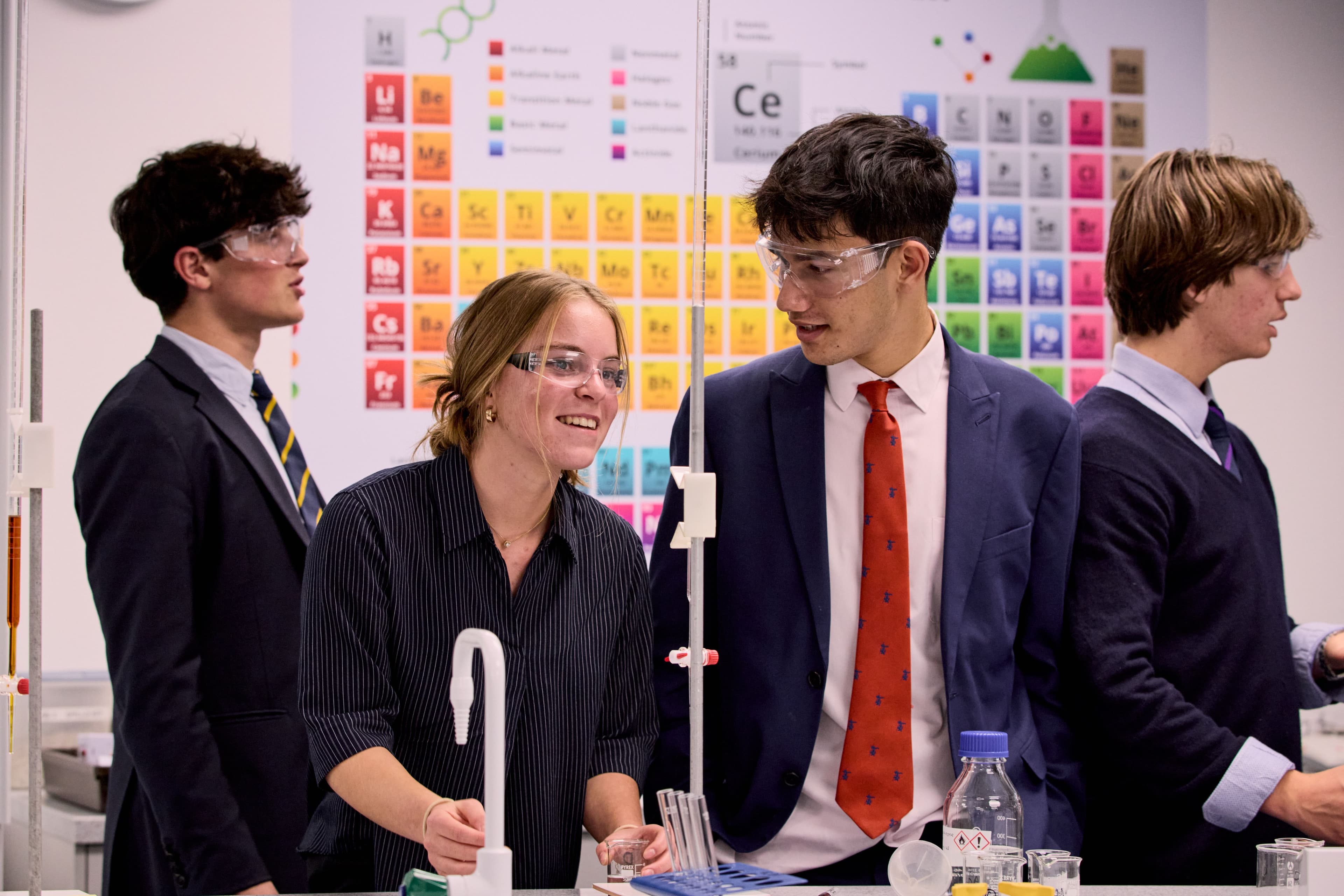
Our teachers are selected for their expertise, values and commitment to pupil development. Specialist subject teachers bring depth of knowledge and enthusiasm for their disciplines, helping pupils engage seriously with ideas and develop confidence in their learning.
From the Early Years through to the Senior School, teaching is guided by subject expertise and thoughtful pedagogy. Lessons are carefully structured, expectations are high, and pupils are supported to develop strong habits of study and intellectual independence.
Attentive to each pupil’s progress, teachers notice the small details, celebrate effort and provide thoughtful guidance so that every learner grows in confidence and understanding.
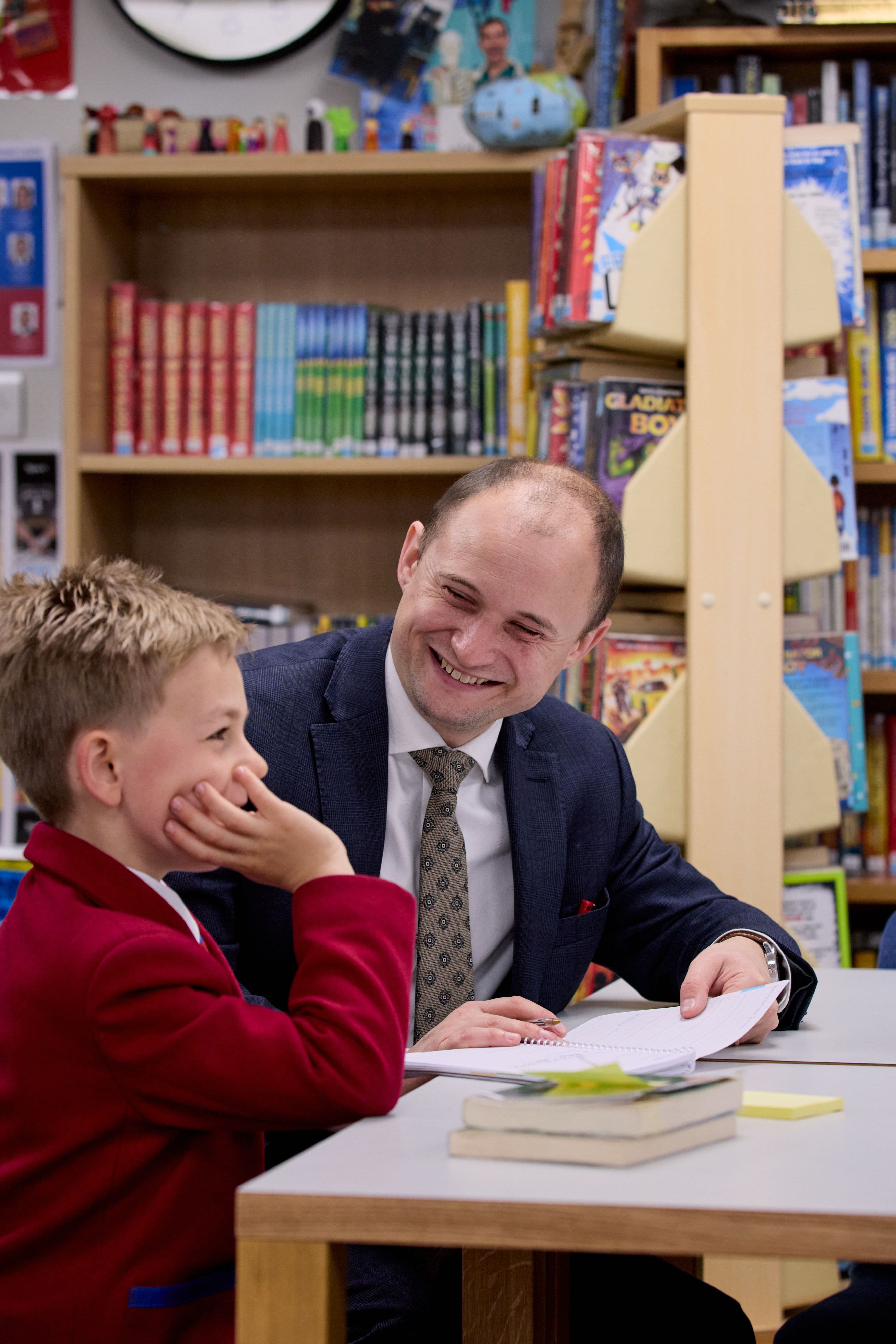
Assessment at King’s College Wimbledon Ho Chi Minh City is used to support learning rather than simply record it. Teachers use a range of approaches - from questioning and classroom dialogue to written work and formal assessments - to understand how pupils are progressing and where further support or challenge is needed.
Pupils receive clear, constructive feedback that helps them reflect on their work, recognise their strengths and identify purposeful next steps. Through this process, they develop confidence in their learning and a growing sense of responsibility for their progress.
Families are well kept well informed through regular reporting and conversations, creating a partnership that supports each pupil’s academic development and wellbeing.